
2026 / 10 / 02
Makeup Brush Supplier Quality Control: How to Protect Consistency Across Samples and Repeat Orders
Makeup Brush Supplier Quality Control: How to Protect Consistency Across Samples and Repeat Orders
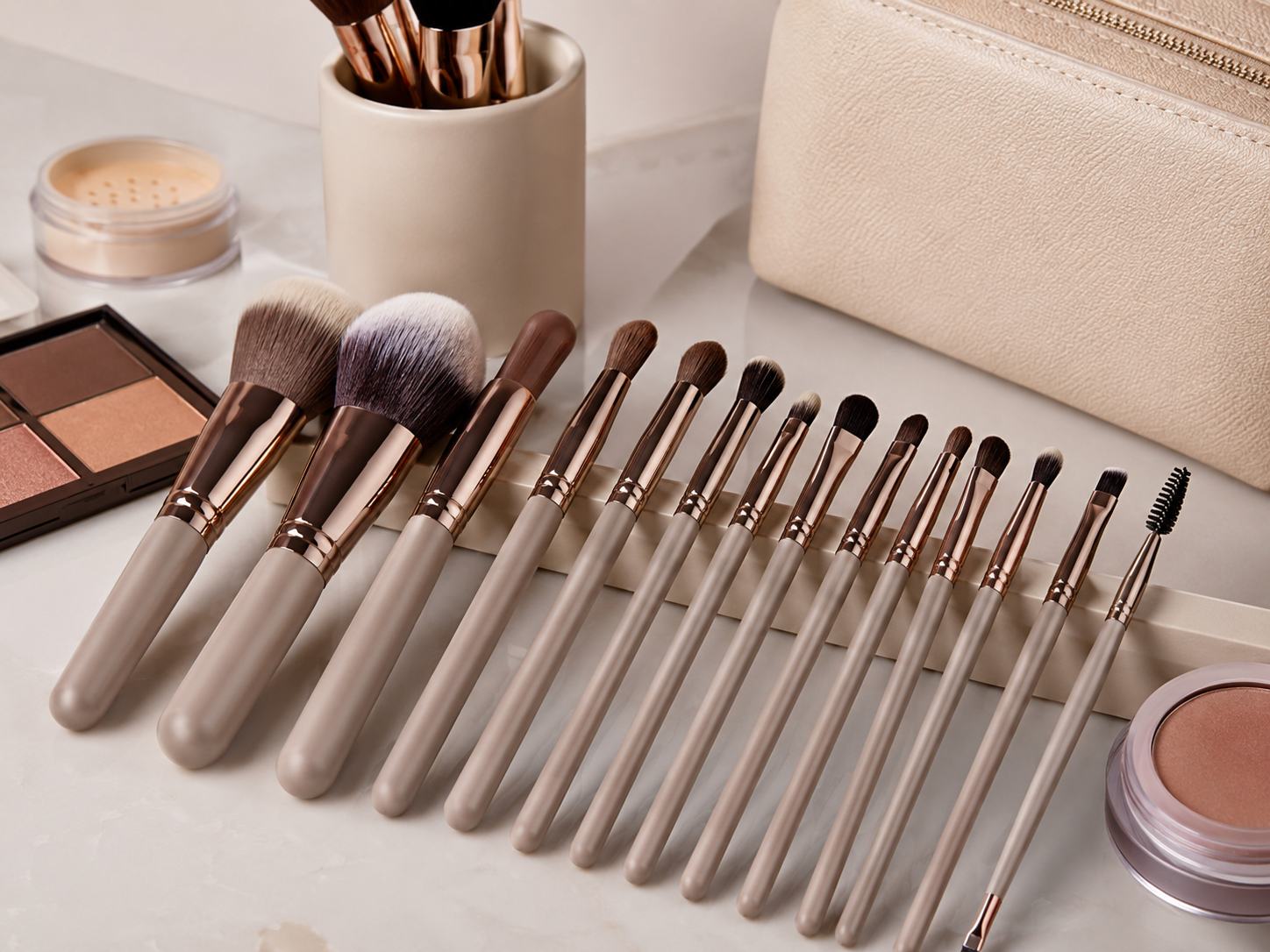
A reliable makeup brush supplier protects more than the appearance of a sample. The supplier should control bristle feel, brush shape, handle fit, ferrule finish, cleaning behavior, packaging, and batch records from development through repeat orders. For beauty brands, this quality chain is what turns an approved brush into a dependable product line, and it is the standard ZOREYA can support through its material, product, and inspection capabilities.
Start With a Clear Quality Brief
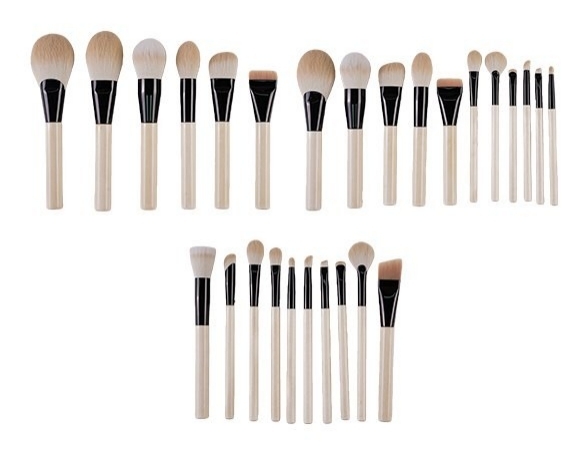
Quality control becomes easier when the brief describes how the brush must work, not only how it should look. Before a sample is made, the brand should define the target formula, application area, desired finish, user group, cleaning routine, handle feel, color, logo method, and packaging environment. A clear brief gives the makeup brush supplier measurable points to review when a sample or repeat batch is compared.
Define the Brush Function
A foundation brush, powder brush, blending brush, concealer brush, and detail brush do not place the same demands on the assembly. Head shape, density, flexibility, taper, and length should match the movement the user needs to make. If the function is vague, a supplier may deliver a visually attractive brush that does not provide the expected pickup, placement, or blending behavior.
Set the Required Feel and Finish
Softness is important, but it is only one part of the experience. The brief should also describe resilience, powder release, edge control, grip, weight, ferrule appearance, and the finish required after cleaning. This is particularly useful for brands that want several products to feel like one collection even when the brush heads have different sizes and functions.
Confirm the Handle and Ferrule Standard
The handle and ferrule affect balance, comfort, appearance, and long-term stability. A brand should approve the material, length, surface finish, color, connection, and logo placement together with the bristle head. ZOREYA product options include synthetic fibers, wood, ABS, recyclable alloy, electroplated finishes, water-based coatings, and several customization routes that can be matched to the intended line.
Check the Materials Before Production
Inspect Bristle Softness and Resilience
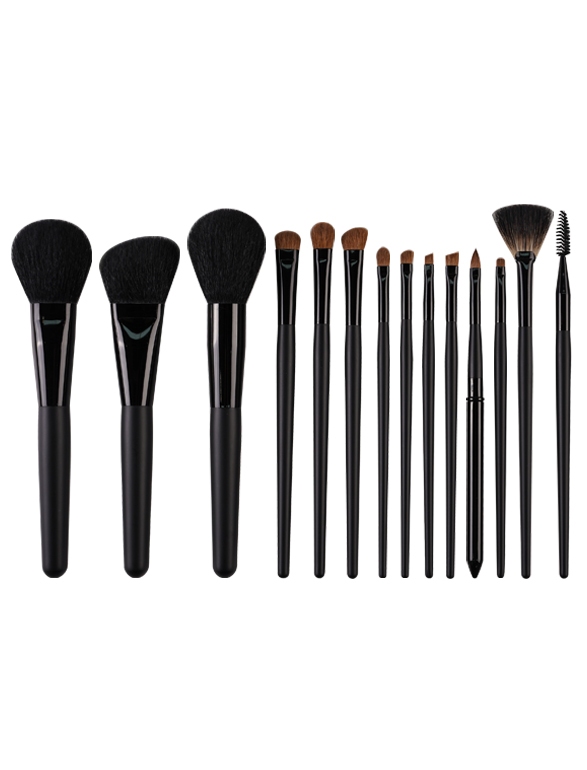
Incoming bristle inspection should consider softness, consistency, resilience, color, cleanliness, and resistance to shedding. Synthetic fibers can be selected for high resilience, easy cleaning, and a smooth skin feel, while different cross-sections and densities can change powder pickup and release. The important point is to approve the actual fiber and construction used in the sample, rather than relying only on a general material name.
Review Handle Surface and Coating
Wood, plastic, and metal handles can create different tactile and visual results. Check the surface for smoothness, coating coverage, color consistency, odor, scratches, and resistance to ordinary handling. For a premium professional line, a water-based lacquer wooden handle may provide a warm grip, while an alloy tube with a plated or lacquered finish can support a sleek portable product.
Check Adhesion and Component Fit
The joint between bristles, ferrule, and handle deserves direct attention because a small assembly weakness can become a visible quality problem later. Review the firmness of the bristle bundle, the alignment of the head, the fit of the ferrule, the connection to the handle, and the condition of the adhesive. These checks should be repeated during production instead of being limited to the first sample.
Validate the Sample Before Scaling
Test Pickup and Release
A useful sample review uses the intended formula and application pressure. Test whether the brush picks up an appropriate amount, releases product evenly, and blends without unexpected streaks or patches. Face, eye, and detail brushes should be assessed for their actual roles because a brush can perform well in a swatch yet feel awkward in the complete application routine.
Observe Shape Recovery and Shedding
After repeated strokes and cleaning, inspect whether the brush head returns to its intended form. Look for loose fibers, clumping, uneven edges, ferrule movement, coating damage, and changes in handle feel. ZOREYA offers selected designs with high-temperature shaping, anti-shedding treatment, and washable synthetic fiber options, but the final acceptance standard should still be tied to the approved sample.
Review Cleaning and Disinfection Conditions
A brush used by professionals or sold as a premium tool may be cleaned frequently. The review should reproduce the expected wash, rinse, drying, and wipe-down routine, then check the bristles, ferrule, handle, logo, and coating. Water- and oil-resistant surface treatments can make residue easier to remove, while retractable formats add a separate check for closure, storage protection, and repeated extension.
Control Quality During Production
Use Incoming Material Inspection
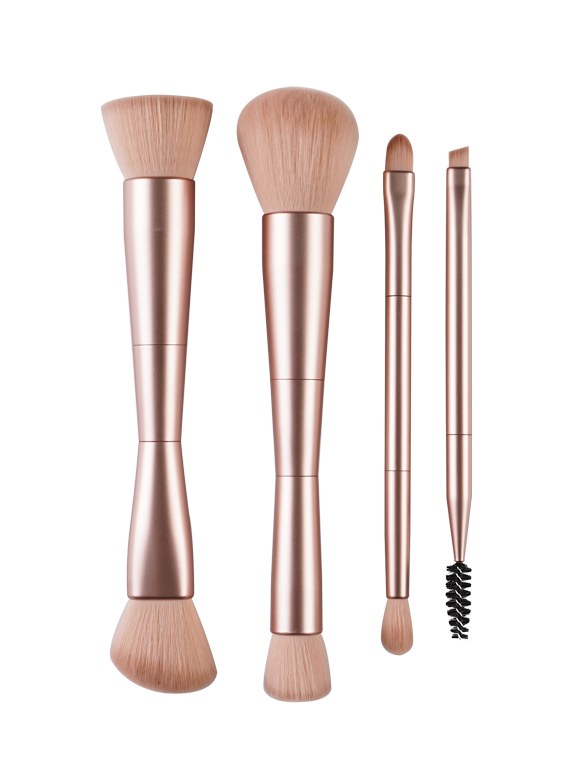
A capable makeup brush supplier starts quality control before assembly. Bristles, handles, tubes, paint, adhesives, packaging, and printed components should be checked against the approved standard before they enter production. This prevents an inconsistent raw material from creating a batch problem that is difficult to correct after assembly.
Monitor Key Assembly Processes
Process inspection should follow the points where variation is most likely to appear. Review bristle insertion, bundle firmness, ferrule attachment, handle assembly, shaping, painting, logo application, and packaging. First-piece confirmation and in-process checks help the team identify a deviation early, before it spreads across a larger quantity.
Inspect Finished Brushes Before Packaging
Finished-product inspection should cover appearance, dimensions, brush shape, adhesion, tensile stability, surface condition, logo quality, cleanliness, and packaging integrity. A final review is especially important for mixed sets because one weak or mismatched item can reduce confidence in the whole collection. ZOREYA’s quality process includes incoming checks, process controls, finished-product inspection, and traceability records.
Protect Consistency Across Repeat Orders
Keep an Approved Reference Sample
The standards should include the agreed-upon specifications of the brush, which include brush size, bristle type, bristle density, handle material, handle finish, logo placement, package design, and permissible visuals. These provide the brand and its supplier with a mutual standard for evaluating subsequent shipments rather than remembering from scratch.
Record Critical Product Details
Repeat-order consistency depends on useful records. The file should identify the materials, process requirements, inspection points, sample version, packaging components, and any approved alternatives. If a material or finish changes, the change should be reviewed as a product decision rather than being treated as a minor substitution.
Track Batch Feedback and Corrective Actions
Returns, complaints, sample comments, and channel feedback can reveal patterns that are not visible in a single inspection. A supplier should classify the issue, isolate the relevant batch, identify the likely cause, and record the corrective action. This closes the loop between production, after-sales feedback, and the next repeat order.
Choose a Makeup Brush Supplier for Repeatable Quality
ZOREYA combines makeup brush development with material selection, product customization, and quality inspection. The products include professional, portable, synthetic-fiber, wood-handle, patented, and travel directions, allowing a brand to define the quality brief around the actual product format.
Conclusion
Choosing a makeup brush supplier should mean choosing a repeatable quality system, not only a good-looking first sample. When material inspection, sample approval, process control, finished-product review, and batch traceability work together, B2B brands can reduce variation and protect the user experience across different channels.
Contact ZOREYA to define a quality brief that can remain practical from the first sample through repeat production.
FAQ
Q: What should a brand test before approving a makeup brush sample?
A: Test the brush with the intended formula and routine. Review softness, pickup, release, blending, shape recovery, shedding, handle balance, ferrule fit, logo durability, cleaning behavior, and packaging protection. The sample should also be compared with the written product brief so that appearance and performance are approved together.
Q: How can a makeup brush supplier reduce batch variation?
A: Variation is reduced by controlling approved materials, keeping a reference sample, defining process checkpoints, confirming the first piece, inspecting key assembly stages, and checking finished products before packing. Clear records are equally important because they allow the supplier to compare repeat orders against the same material, dimension, finish, and performance standard.
Q: Why is traceability important for repeat orders?
A: Traceability enables a brand to be aware of the materials, processes, inspections, and packaging that have been employed in the batch. In the event of an issue arising, the supplier will only need to look into a certain source, and not the whole product range.
Q: Can ZOREYA support custom quality requirements for makeup brushes?
A: ZOREYA supports customization of brush heads, bristle materials, handles, finishes, logos, packaging, and set combinations. Quality requirements can be defined around the intended use, target feel, cleaning routine, and channel presentation. Samples can then be reviewed against the agreed criteria before a larger production run is released.


