2026 / 08 / 07
Guide to Sourcing Custom Makeup Brushes from an OEM Factory
Key Stages in the OEM Customization Process
Product Concept Development and Design Consultation
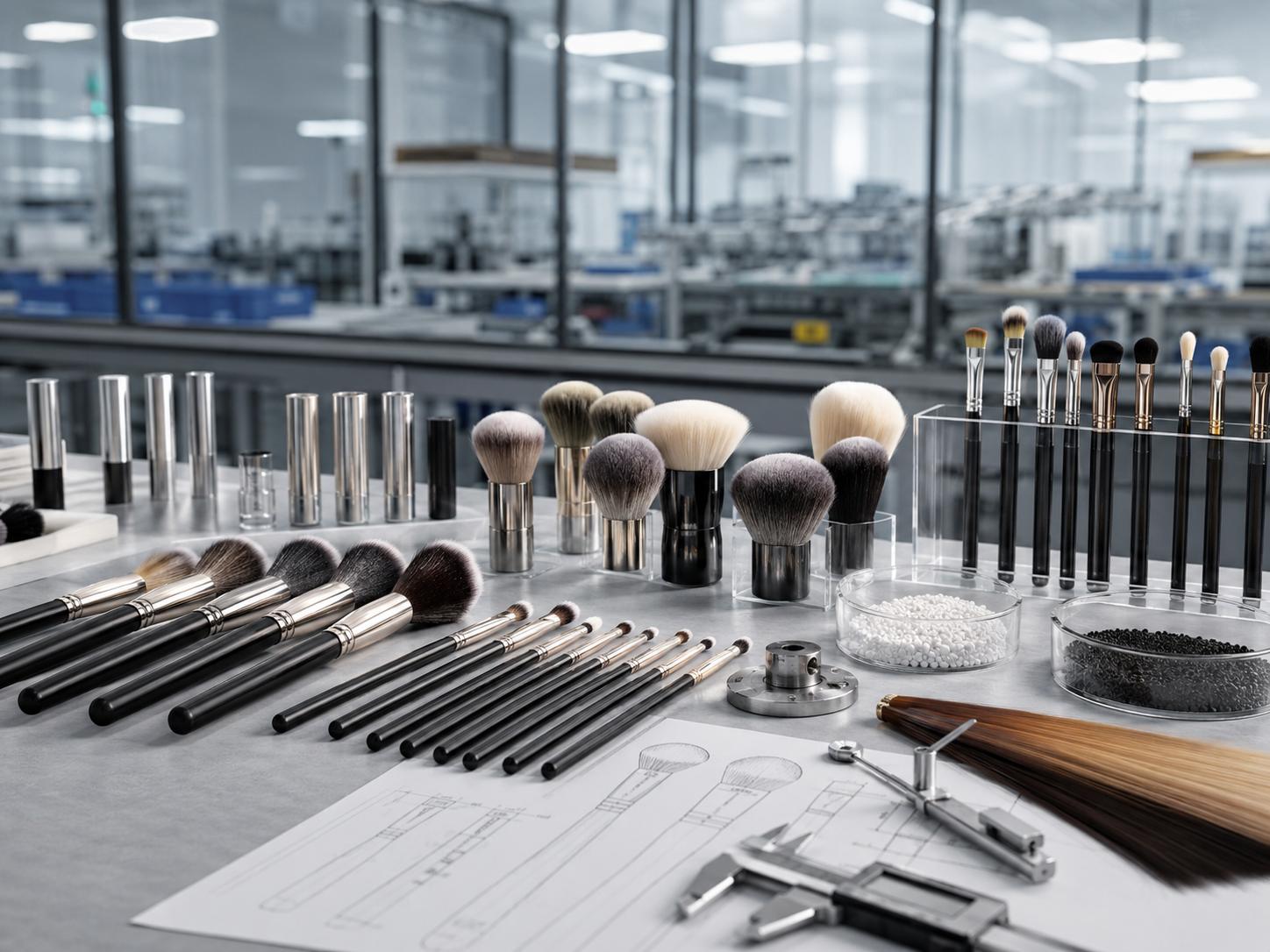
In the initial stage of OEM customization, brands provide design references such as mood boards or functional requirements. We support customers by providing samples/ design drafts /3D models for 1:1 production replication, covering all aspects of brush head shape, brush handle structure, and kit assembly. The manufacturer’s design team then translates these ideas into technical drawings or 3D renderings to visualize the final concept. ZOREYA offers over 2000 ready-made molds that can be adjusted in size or color to meet unique brand needs. Material selection during this phase aligns with target market positioning—whether luxury or eco-friendly—and determines the tactile experience for end users.
Prototype Creation and Sample Approval
Once designs are finalized, prototypes are developed to test key aspects such as bristle softness, density balance, and handle ergonomics. We have established an efficient response mechanism, completing dedicated coordination within 24 hours of receiving a request, providing a preliminary sampling plan within 3-5 working days, and completing sample production within 7-10 working days. After testing for performance factors like pickup ability or shedding resistance, adjustments are made before final approval. Approved samples serve as benchmarks for mass production consistency.
Material Selection in Cosmetic Brush Manufacturing
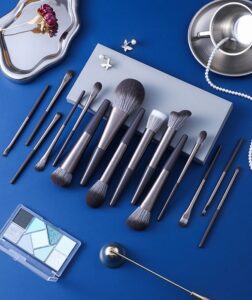
Types of Bristles Used in Professional Makeup Brushes
- Natural Bristles
Natural bristles remain popular among professional artists due to their superior powder retention. The natural bristle series includes sheep wool (goat hair, pony hair, squirrel hair) and various animal hairs (badger hair, mink hair), which are soft and skin-friendly to the touch and have strong powder-grabbing ability. These materials require ethical sourcing verification to comply with international animal welfare standards.
- Synthetic Bristles
Modern synthetic fibers provide cruelty-free alternatives without compromising performance. The synthetic fiber series includes nylon bristles (biomimetic fiber bristles, antibacterial nylon), PBT fibers, and synthetic fibers, which are characterized by high resilience, easy cleaning, and non-irritating to the skin, and adhere to the environmentally friendly cruelty-free concept. They can be engineered with tapered ends or textured surfaces that mimic natural hair behavior while offering enhanced durability.
Handle Materials and Ferrule Components
- Handle Options
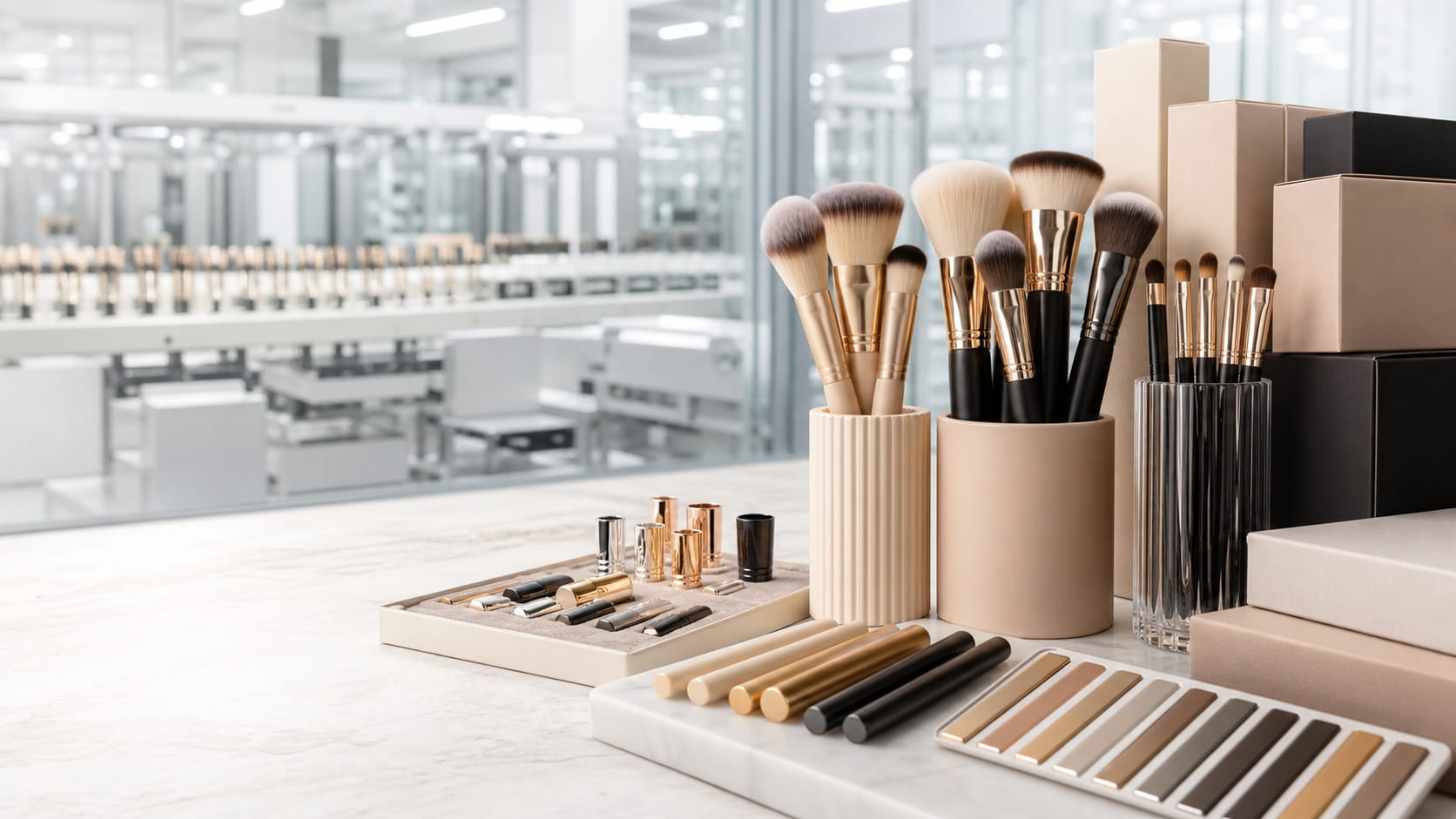
The choice of handle materials greatly affects both the appearance and functionality. The brush handle is made from different materials, including wood (birch, maple, walnut), biodegradable plastic (ABS, PP, PCR recycled plastics), metals (aluminum, copper), bamboo, and plastic handles. Coatings like lacquer finishes or paint finishes enhance grip while helping build brand recognition through differences in texture.
- Ferrule Design Considerations
The ferrule holds the handle to the bristles bundle in place tightly. The ferrule is either made of aluminum or brass, which resists corrosion. Precise crimping makes the brush stable despite being washed several times.
Manufacturing Techniques in a Makeup Brush Factory
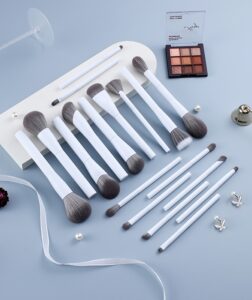
Bristle Bundling and Shaping Methods
Skilled technicians hand-bundle fibers to achieve consistent density across each brush type. Machine-assisted shaping maintains contour precision during large-scale production runs. This combination ensures uniformity between handcrafted artistry and industrial efficiency.
Assembly Line Integration and Quality Control Procedures
Each component—handle, ferrule, bristle bundle—is assembled using adhesives tested for strength under varying temperature conditions. The adhesive uses high-temperature resistant, non-peeling, and odorless eco-friendly glue. Final inspections assess symmetry accuracy, shedding resistance, paint finish quality, and overall balance before packaging approval.
Branding and Packaging Customization Options for OEM Clients
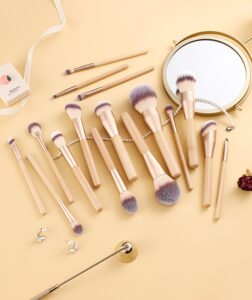
Private Label Printing Techniques
Brand identity is reinforced through customized logo applications using laser engraving, silk-screen printing, hot stamping, or UV printing methods. Color matching follows Pantone standards to maintain consistency across product lines—an essential aspect for cohesive visual branding strategies.
Packaging Design Coordination with Brand Identity
Packaging can be protective as well as a means of marketing. Manufacturers provide customized boxes or pouches that are suited to the demands of retailing. Eco-friendly choices include the use of recycled paperboard or biodegradable plastics—this is an area where ZOREYA is innovative, using FSC certified products in its supply chain.
Compliance Standards and Quality Assurance in Production
Regulatory Requirements in Cosmetic Tool Manufacturing
Compliance is central to international trade readiness. Regarding quality and compliance, the company has obtained numerous authoritative certifications, including ISO9001 Quality Management System , ISO14001 Environmental Management System, ISO45001 Occupational Health and Safety Management System, BSCI Business Social Responsibility Standards, and FSC Forest Stewardship Council certification. Documentation ensures traceability across all materials used throughout manufacturing stages.
Performance Testing Before Shipment
Before shipment release, tests evaluate factors such as bristle retention after washing cycles or ferrule adhesion strength under stress conditions. Random sampling verifies batch consistency against approved prototypes—ensuring every unit meets promised specifications.
Collaboration Strategies Between Brands and Manufacturers
Communication Protocols During Production Phases
Effective communication between brands and factories prevents misinterpretation during scaling stages. Digital project management systems enable real-time progress tracking on timelines or material updates—enhancing transparency throughout production cycles.
Long-Term Partnership Development with an OEM Factory
Sustained partnerships foster innovation beyond single projects. Feedback loops guide iterative improvements across future product lines while maintaining confidentiality agreements on proprietary designs or formulas—a practice reinforced by ZOREYA’s intellectual property system protecting over 150 patented technologies.
Conclusion
Partnering with an experienced makeup brush manufacturer like ZOREYA allows brands to access advanced R&D capabilities combined with full-process OEM customization—from concept creation to finished retail packaging—all within certified sustainable operations that ensure quality excellence worldwide.
For tailored consultation on your next cosmetic brush project, contact us today.
FAQ
Q: What makes ZOREYA a reliable makeup brush manufacturer?
A: ZOREYA operates a fully integrated factory covering 65,000 square meters with advanced automation systems ensuring consistent quality control at scale.
Q: How does an OEM cosmetic brush manufacturer ensure product safety?
A: Manufacturers like ZOREYA comply with ISO9001 quality management standards alongside REACH regulations to guarantee safe materials throughout production.
Q: Can synthetic brushes from a makeup brush factory match natural hair performance?
A: Yes. Advanced PBT fibers mimic natural textures while offering enhanced durability and cruelty-free appeal suitable for sensitive skin types.
Q: What customization options does an OEM makeup brush manufacturer provide?
A: Options include custom shapes, gradient-dyed bristles, engraved handles, eco-friendly packaging solutions—all aligned with brand positioning strategies.
Q: How long does it take for sample development at ZOREYA?
A: Sample creation typically completes within seven to ten working days after receiving client specifications, thanks to ZOREYA’s efficient development workflow system.
Related News