2026 / 09 / 11
How Beauty Brands Should Evaluate a Makeup Brush OEM Factory
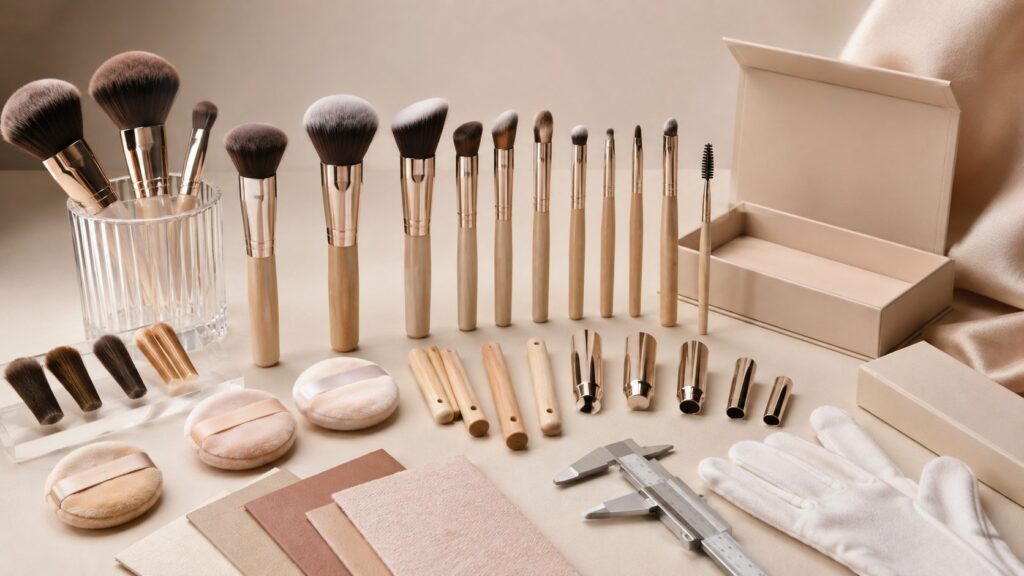
Choosing a makeup brush OEM factory is a product-development decision, not only a price comparison. A suitable partner should understand the brush function, bristle feel, handle balance, ferrule finish, packaging, target customer, and repeat-order requirements. ZOREYA focuses on makeup brushes and powder puffs and provides OEM/ODM development for brands that need a coordinated product line rather than an isolated stock item.
Define the Brush Line Before Product Planning
Brush Line Planning
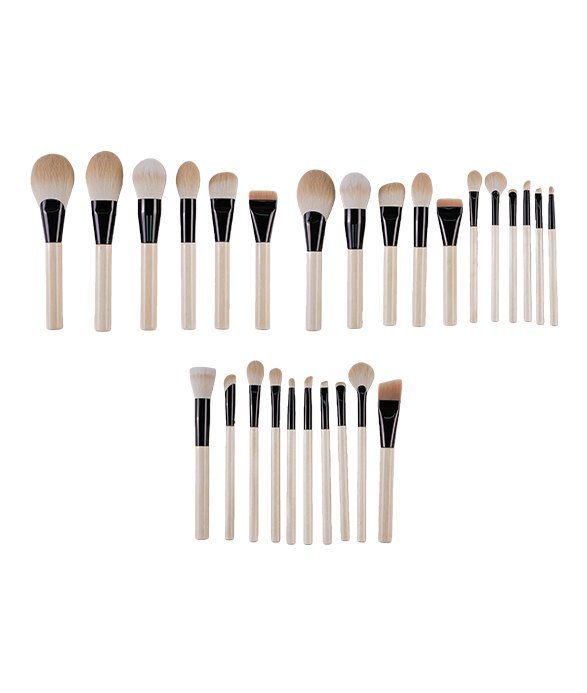
A makeup brush line may include foundation, powder, blush, contour, highlighter, concealer, eyeshadow, blending, liner, and dual-ended tools. Each function needs a different head shape, density, flexibility, and pickup pattern. A supplier can size the work more accurately when the buyer provides the intended formula, application area, target user, and expected finish.
The line architecture also affects packaging and production. A brand launching a compact travel collection may need retractable or dual-ended formats, while a professional range may prioritize a broader set with consistent handle geometry. Define the number of SKUs, hero products, supporting products, and replenishment items before comparing factory prices.
Evaluate Bristle Material and Application Feel
Bristle Material and Feel
Bristle material is directly connected to the user experience. Synthetic fibers can be designed for smoothness, controlled pickup, easy cleaning, and consistent performance across face and eye products. Natural-looking synthetic fibers may also support a vegan positioning, but the buyer should evaluate actual samples rather than relying on a material label.
Testing should cover softness on the skin, powder pickup, liquid-product distribution, shedding, shape recovery, and cleaning behaviour. The same fiber may feel different when the diameter, taper, crimp, density, glue, and trimming process change. A capable makeup brush OEM factory should be able to explain these variables and preserve the approved feel in repeat orders.
Check Handle, Ferrule, and Ergonomics
Handle, Ferrule, and Ergonomics
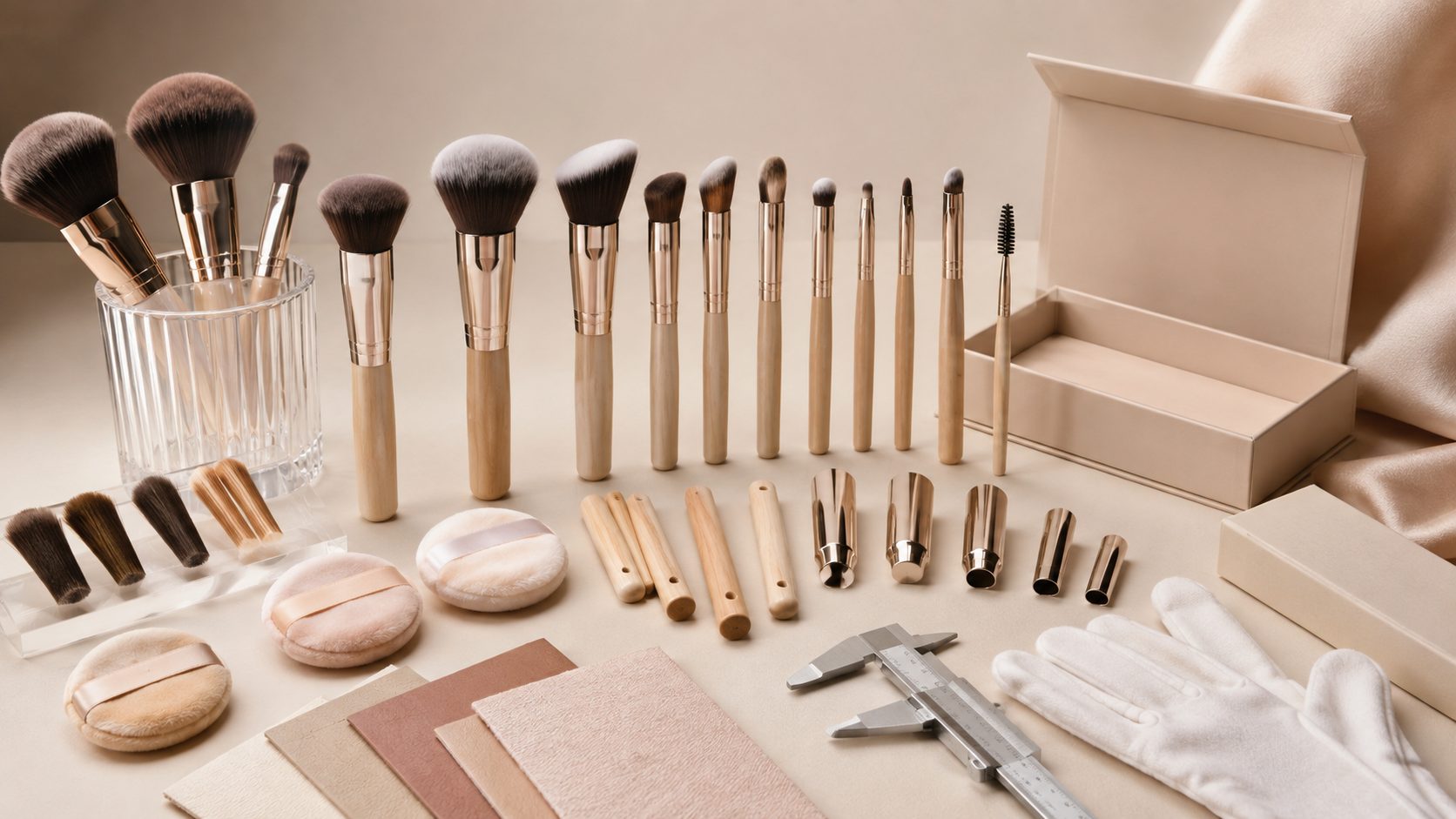
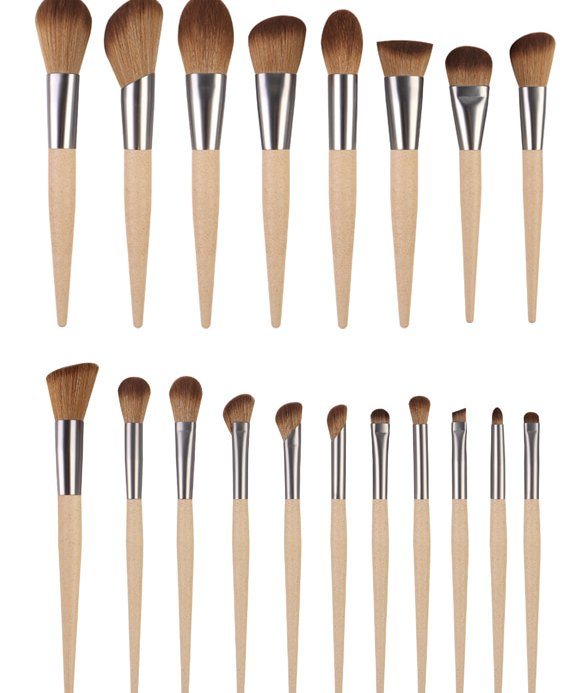
A brush is handled repeatedly, so balance and grip matter as much as appearance. Review handle length, weight, surface finish, ferrule connection, edge comfort, and storage behaviour. A metal-look handle can communicate a premium position, while bamboo-fiber or wood-look options may support a more natural visual direction.
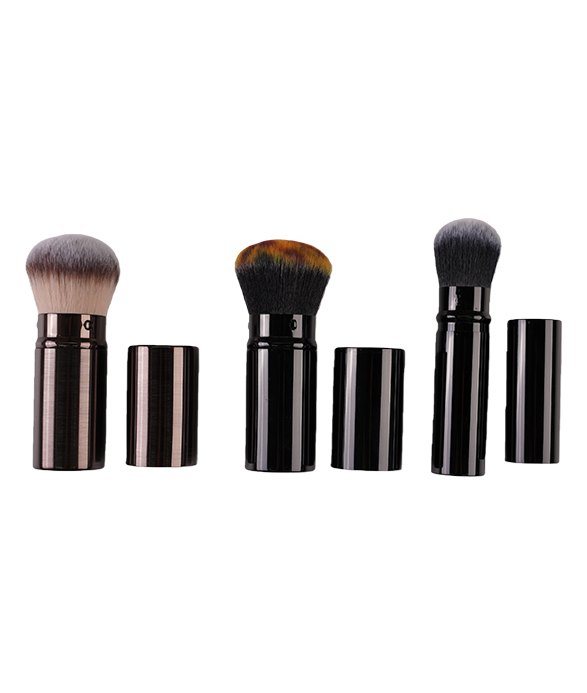
For dual-ended tools, confirm how the user protects both heads, how the brush is placed on a table, and whether the construction prevents contact contamination. For retractable formats, examine the opening mechanism, cap fit, brush protection, and the ability to maintain the intended head shape after repeated use.
Ask What OEM and ODM Really Include
OEM and ODM Scope
OEM may mean manufacturing to a buyer’s existing design, while ODM can include product development, material selection, structure adjustment, packaging, and branding support. These terms vary between suppliers. The buyer should ask for a written list of what is included: sample development, artwork review, mold or tooling charges, logo methods, packaging, inspection, and revision rounds.
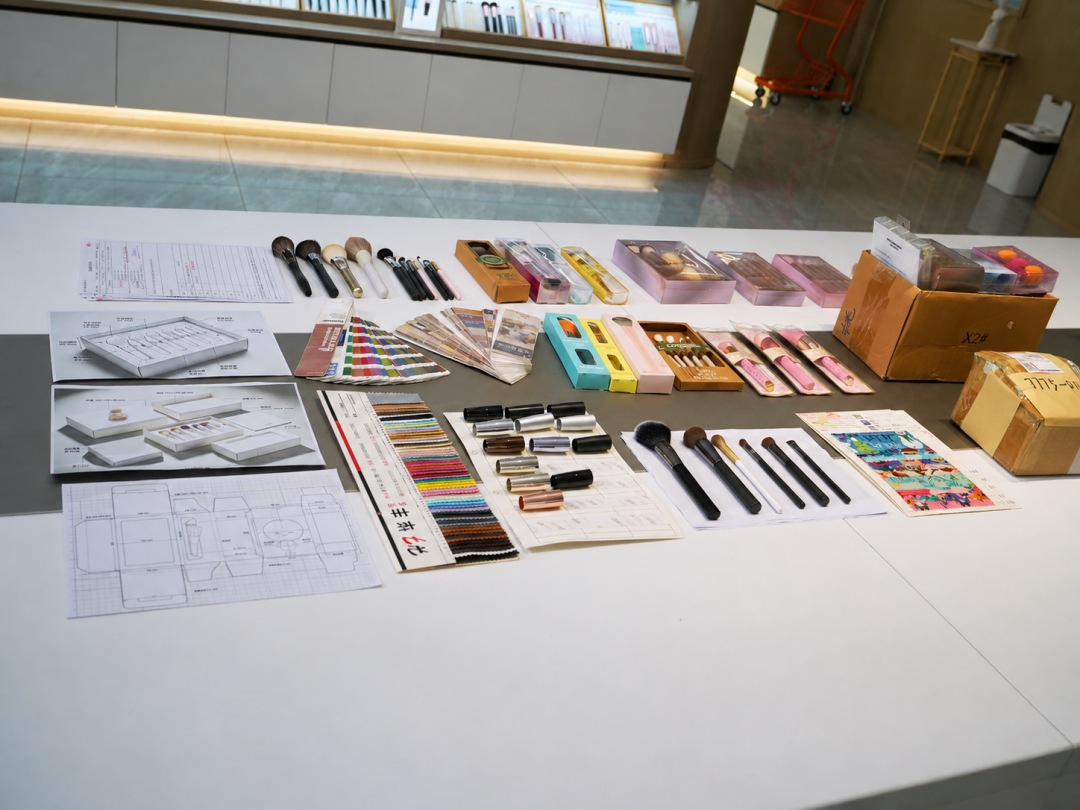
A project becomes easier to manage when the factory can coordinate brush design and packaging in one workflow. ZOREYA describes end-to-end OEM/ODM support for makeup brushes and powder puffs, which can help a brand keep the look, function, and retail presentation aligned across a collection.
Review Capacity Without Losing Development Flexibility
Capacity and Flexibility
A large production base can support stable replenishment, but capacity alone does not guarantee that a new brush project will receive enough engineering attention. Ask who owns the sample, how many revisions are included, how approved standards are recorded, and how the factory handles a small launch before a larger repeat order.
ZOREYA states that it operates a large intelligent factory with an integrated production chain and more than 500 employees. Buyers should connect those general capabilities to their own project by confirming sample lead time, monthly planning, MOQ, packaging schedule, inspection capacity, and the process for urgent replenishment.
Build a Practical Quality-Control Checklist
Quality-Control Checklist
Quality control should cover incoming fibers, ferrules, handles, adhesives, logo placement, head shape, shedding, cleanliness, packaging, and carton protection. A good checklist separates appearance defects from functional defects and defines which items require 100% inspection and which can use sampling.
The most useful acceptance sample is not a single perfect brush. It is a complete approved reference set showing acceptable color, gloss, logo position, head dimensions, softness, density, and packaging. Keep this reference with the project record and define how changes in raw materials or subcontracted finishing are communicated.
Plan MOQ, Packaging, and Repeat Orders Together
MOQ, Packaging, and Repeat Orders
MOQ is affected by the number of brush styles, logo methods, packaging structures, and special materials. Lower MOQ is an option for a standard part, but a custom ferrule, printed packaging, or unusual shape might need tooling and higher material investment. It would be best to ask for cost estimates separately, not combined into one figure.
Repeat orders also need a clear color and material record. Handle color, ferrule plating, fiber shade, packaging paper, and insert fit can drift if the reference information is incomplete. A stable OEM partner should help maintain the approved specification and communicate any proposed change before production.
Conclusion
The right makeup brush OEM factory combines product understanding, sample discipline, material control, customization, quality inspection, and repeat-order support. Compare suppliers using a defined brush brief and an approval checklist, then test the complete line in its final packaging. ZOREYA can be considered when a brand needs coordinated OEM/ODM development for brushes, subject to project-specific confirmation of MOQ, lead time, and final specifications.
FAQ
Q: What should I send to a makeup brush OEM factory?
A: Send the brush function, reference images or drawings, target formula, bristle feel, handle and ferrule preferences, logo method, packaging requirements, quantity, target market, and delivery schedule. If the project is still at concept stage, explain the user and price position so the supplier can recommend a practical structure.
Q: Are synthetic makeup brushes suitable for professional use?
A: They can be, when the fiber design, density, trimming, and assembly are properly matched to the application. Evaluate softness, pickup, blending, shedding, cleaning, and shape recovery with representative products. Do not approve a synthetic fiber only from a material description or a product photograph.
Q: How do I compare two makeup brush manufacturers?
A: Compare the same sample brief, the same packaging level, the same logo method, and the same inspection requirements. Then review sample quality, revision communication, tooling ownership, MOQ, lead time, production records, and repeat-order control. A lower unit price may not represent a lower total project cost.
Q: What is the difference between OEM and ODM for makeup brushes?
A: OEM generally follows the buyer’s design, while ODM may include more product development and customization. The exact scope varies, so ask the factory to list design, sampling, material selection, packaging, branding, and engineering responsibilities in the development scope and project agreement.
Related News