
2026 / 10 / 23
Concealer Brush Design for Beauty Brand Collections
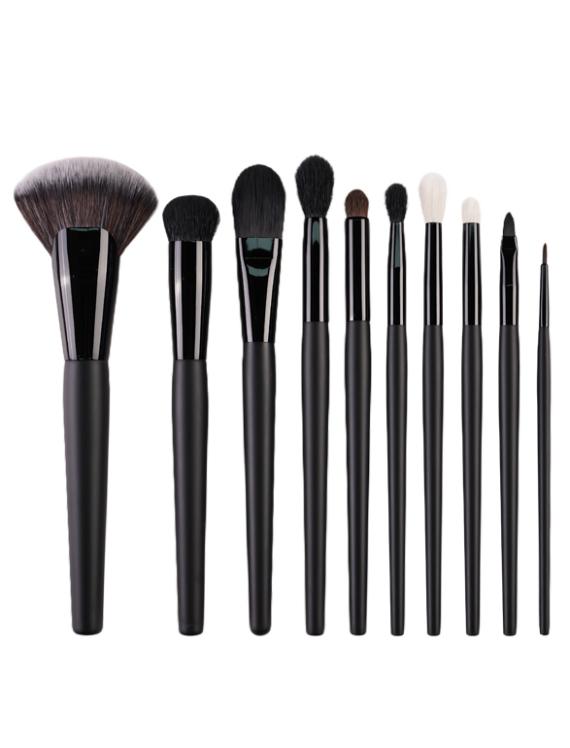
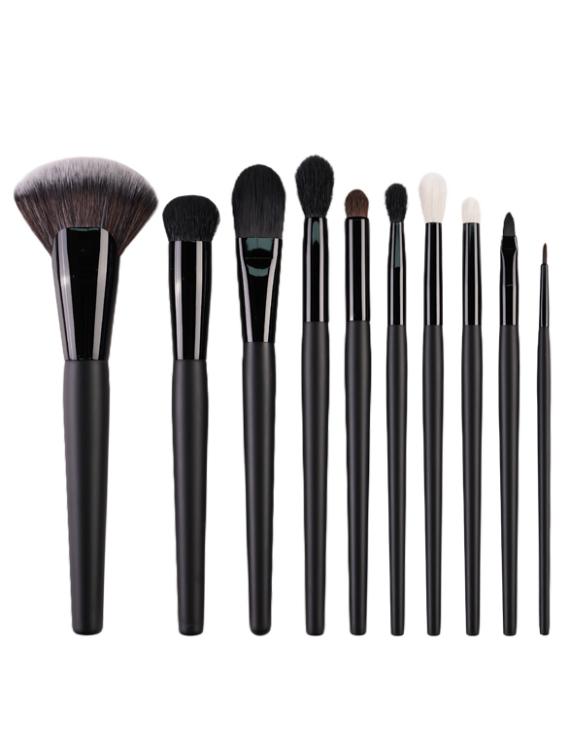
For a concealer brush within a beauty brand’s product collection, the concealer needs to have a clear task to perform before looking finished. Thus, under-eye blending will require a different area to work on than spot coverage of blemishes etc. Therefore the head size, shape and flexibility of the brush should be directed to the specific use of the concealer and this clearly communicated through the brush selection, brush names and product demonstrations.
ZOREYA face and eye collections include compact shader and detail tools, as well as larger complexion brushes. These smaller tools can be used by product managers and retail teams to give local coverage the focus it deserves without duplicating the function of a larger foundation brush.
Build a Concealer Brush Around the Coverage Task
Define Under-Eye Blending as Its Own Function
Under-eye concealer brush briefs should describe the area of face to be covered and the finish that the brand is trying to achieve with the application. What looks like a small head to hold in the shop may open up to a large surface area when pressed into service, so check the actual contact area against the depiction in the suggested application method.
This distinguishes between a concealer concept and a miniature foundation brush. If the head of the brush needs to be flattened or uses in corners require an odd angle and therefore an unusual grip then the size and shape of the brush needs to be revisited. The color of the handle will not fix these types of application problems.
A rounded or tapered edge can be explored for edge blending purposes, in contrast to a flatter surface for controlled pick up. Compare these two design options with the target formula, and define the head’s function in that specific use case. Translate this into a brand message that goes beyond the mere description of a ‘soft’ brush.
Separate Precise Placement from Broad Coverage
A small concealer brush is a good addition to a collection of larger face application brushes. A concealer brush is typically used for spot coverage and so the brief should describe how to apply product to a small area and then how to smooth and blend the edges of that application. Note that the head that is suitable for application of product to a small area may need to be used with a different angle or pressure to smooth and blend that small area of application.
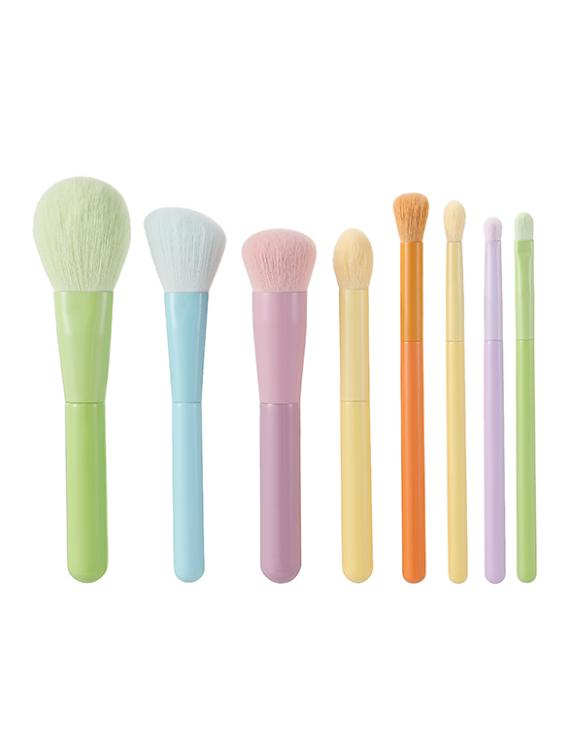
The small shader in the Pink Metallic Ferrule Makeup Brush Set has been designed to specifically act as a concealer, eye base shader or for precise application. The synthetic fibers, pink aluminum ferrule and frosted plastic handle complete the brand connection point and establish a solid multifunctional starting point for the brand. This is different to an eye brush that is also used for concealer etc.
Connect Head Geometry with the Formula
Flat Heads for Deliberate Placement
This concealer brush is a flat shape with a broad face and a narrow edge. As a product team, you get to decide which surface to show for the demonstration, and then where that brush will be used to achieve the task. That gives this simple shape a lot of application to tell a story beyond just a label of a flat brush.
Test the sample against the actual cream or liquid concealer intended for the range. Thick creams and thin liquids are best described after having been put through their paces. Determine where you have control of placement and where you need to make adjustments to application before you start to write the product copy.
Rounded and Tapered Heads for Edge Blending
If you have a placement tool in your assortment, the concealer blending brush should have a clear relation to it. If you do decide to include both in your assortment, explain how the second brush is adding value when softening a line. Two similar brushes with similar demos confuse the collection.
When testing a precision concealer brush, compare the working surface of the fibers as you would use them, rather than judging the end of the brush from the product photos. Test the brush under the same amount of light pressure that you would use in your demonstration. The important thing to find out is whether you can place the product in the area you intend to, and then blend it comfortably using a movement that you can clearly explain and demonstrate to the customer.
Compare Application Without Changing Every Variable
When comparing the candidate heads for concealer keep the same Concealer formula, approximate load in pan and recommended application area. It is less helpful to make so many variables change at once and then choose the best photograph. A simple comparison is more informative than an individual head appearing in the best finished photograph.
When checking for coverage, it is best to check placement, edge blending and whether the area has been disturbed separately. When a demonstration requires repeated correction then check the head, product amount and method as a team. Record which change solved the problem and make sure the final application instructions are written as if that brush were going to be the one to actually use for the application.
Deciding between using a brush or a sponge for cleaning up should be part of your collection planning. A brush can provide a very narrow contact point and complete a task differently than a sponge which can be used to press or complete a task in a different way. Only include an item if it completes a task that is part of your intended cleaning routine and you can demonstrate how you use it without adding more steps than necessary.
Give the Tool a Distinct Place in the Range
A single concealer brush product needs to have benefits that are obvious when viewed alone. Show the brush head at a useful size and then explain the specific area of the face that it is designed to cover and the finish that it produces. In a larger makeup brush assortment, demonstrate how this small tool compliments the user with the larger foundation and powder brushes and does not just have different size versions of the same products with different names.
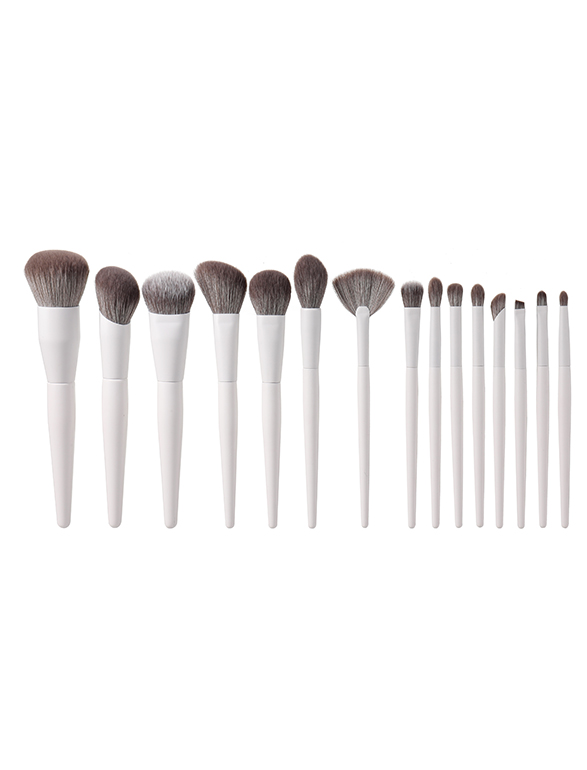
The Minimal White Makeup Brush Set consists of concealer brushes for the face as well as the eyes and is made from synthetic fibers. The brushes are presented in a neutral white design and contrast with the more detailed pink metallic Makeup Brush Set. The ZOREYA online platform allows for customization of individual brushes as well as for collections and thereby keeps the functional requirements within the scope of the design discussion.
As multifunctional tools are to be used for various purposes, it is also important to clearly state how to use them. For example, a shader with concealer and eye-base applications can be used for both of these applications. The care instructions must also clearly state how to clean the tool between different products. This information must be consistent on the product page and on the packaging so that the tool’s versatility is not reduced to an untruthful claim that one tool is sufficient for all applications.
Conclusion
A concealer brush is only useful if it solves a particular coverage problem and complements the rest of the tools in a makeup collection. For brands and retailers alike, this starts with clearly defining the relationship between a product’s formula, its working area and the shape of its brush head. The ZOREYA range of small application concealers are complemented by a range of face and eye designs to aid in the construction of a meaningful and different beauty tool collection.
ZOREYA design options for your next complexion brush collection.
FAQ
Q: Should brands develop separate brushes for under-eye and spot coverage?
A: Separate formats make sense if they create different workspaces or application methods. A small placement head and a softer blending format can for example serve different purposes within a range of complexion products. Check the intended formula and demonstration and see if the differences are relevant enough to be explained as two separate products.
Q: What should a concealer brush application comparison include?
A: Test intended concealer in designed configuration. Keep product load, application area and method roughly equivalent between designs and note placement, fiber movement, edge and point of edge break, and how easily product stays within designed area. Keep apart from aesthetic preference for finished product. Do not rely on one great image of finished product for a design decision.
Q: Can an eye shader serve as a concealer brush in a collection?
A: Yes. The small shader in ZOREYA’s pink metallic collection has been designed to be used for concealer, eye base and precise placement of products. If both applications are intended to be designed with this tool then clearly outline the use of each part of the tool, compare to the intended formulas and include care of the tool for cleaning prior to use with alternate products.
Q: How can a brand differentiate a concealer brush from its foundation tools?
A: Identify the smaller working area and the specific placement or blending action first. Use the head shots, product names and application demos to then make that role obvious. A single handle across all brushes in the collection is fine, but the reason to choose that brush over others of similar size or color should be based on functional reasons.


